
Artificial Intelligence (AI) is rapidly transforming the digital landscape, and its impact on marketing is more significant than ever. Businesses are no longer relying solely on traditional marketing methods. Instead, they are adopting advanced technologies like AI to improve efficiency, enhance customer experiences, and achieve better results. Understanding the role of AI in digital marketing has become essential for businesses that want to stay competitive in today’s fast-paced environment.
In 2026, AI is playing a major role in shaping modern digital marketing strategies. From analyzing large amounts of data to automating repetitive tasks, AI helps marketers make smarter decisions. It allows businesses to understand customer behavior, predict trends, and create personalized campaigns that connect with their target audience more effectively. This shift towards data-driven marketing is one of the key reasons why AI is becoming so important.
Another major advantage of using AI in digital marketing 2026 is its ability to save time and resources. Tasks like email marketing, social media scheduling, and customer support can now be automated using AI tools. This not only increases productivity but also allows businesses to focus more on strategy and creativity.
AI is also improving the way businesses interact with their customers. With tools like chatbots and recommendation systems, companies can provide instant support and personalized experiences. This helps in building stronger relationships and increasing customer satisfaction.
In this blog, we will explore how artificial intelligence in marketing is transforming the industry. We will discuss its applications, benefits, challenges, and future potential. By the end of this guide, you will have a clear understanding of how to use AI effectively in your digital marketing strategy.
What is AI in Digital Marketing?
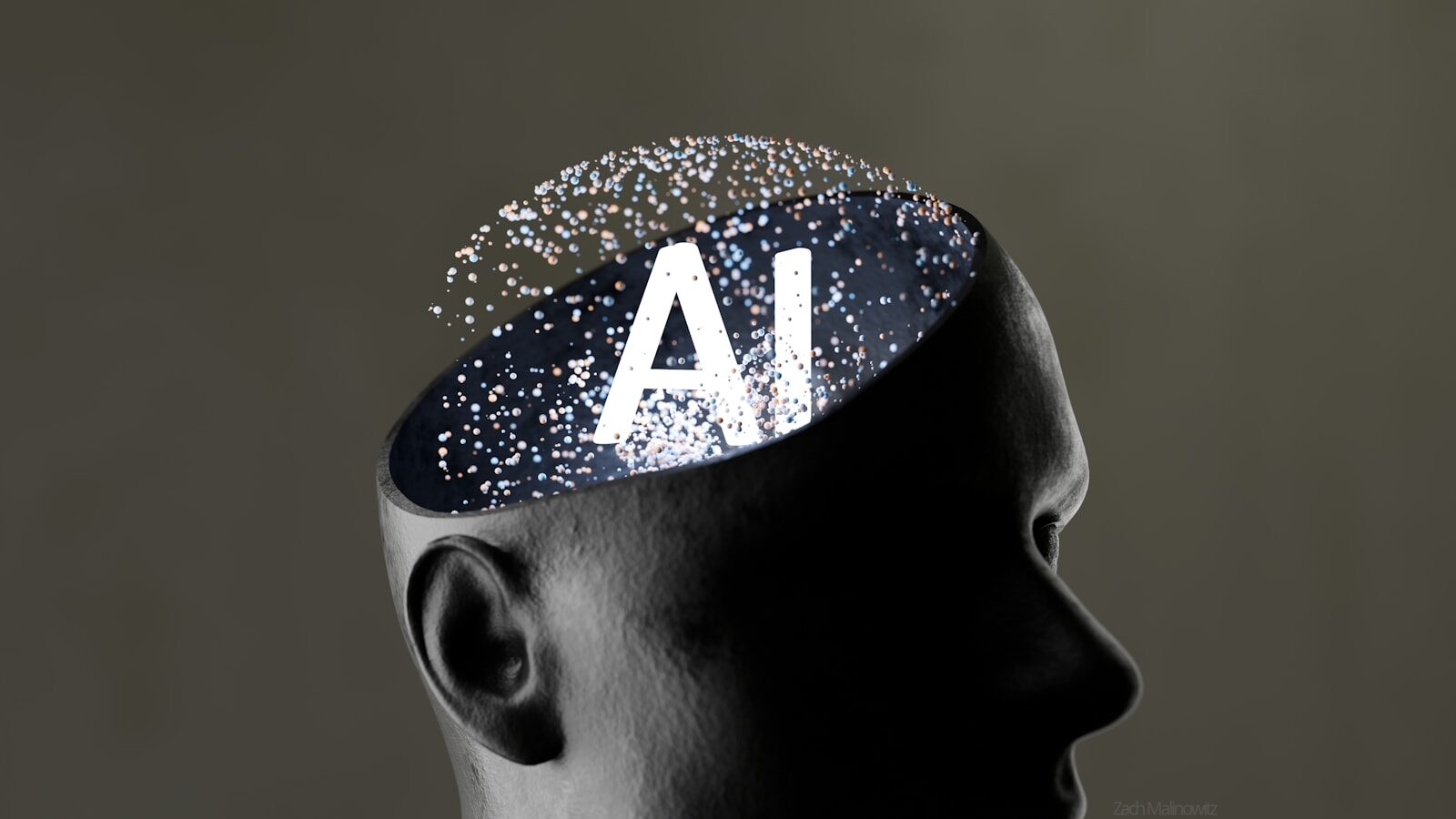
AI in digital marketing refers to the use of artificial intelligence technologies to automate processes, analyze large amounts of data, and improve marketing strategies. It helps businesses make smarter decisions by using machine learning, data analytics, and automation tools to understand customer behavior and optimize campaigns.
In simple terms, artificial intelligence in marketing allows businesses to perform tasks more efficiently and accurately than traditional methods. AI systems can process vast amounts of data in real time, identify patterns, and provide insights that help marketers create better strategies. This makes marketing more data-driven and results-oriented.
One of the key features of AI in digital marketing 2026 is automation. Tasks such as email campaigns, social media posting, customer segmentation, and ad optimization can be handled automatically using AI tools. This saves time and reduces manual effort, allowing marketers to focus on more important aspects like strategy and creativity.
AI also plays a crucial role in personalization. By analyzing user behavior, preferences, and interactions, AI can deliver customized content and recommendations to each user. This improves customer experience and increases the chances of conversion.
Another important aspect of AI is predictive analysis. AI tools can forecast trends, customer needs, and future behavior based on historical data. This helps businesses stay ahead of the competition and plan their marketing strategies more effectively.
Additionally, AI improves decision-making by providing accurate insights and performance reports. Marketers can track campaign results, identify what works best, and make data-driven improvements.
Overall, AI in digital marketing is transforming the way businesses operate. It is making marketing more efficient, personalized, and effective, helping companies achieve better results in less time.
Why AI is Important in Digital Marketing
The role of AI in digital marketing is becoming increasingly important as businesses aim to improve efficiency and deliver better customer experiences. In today’s competitive market, traditional marketing methods are no longer enough. AI helps businesses adopt smarter, faster, and more effective strategies that lead to better results.
One of the main reasons why AI is important in digital marketing is automation. AI tools can handle repetitive tasks such as email marketing, social media posting, and ad management. This not only saves time but also reduces human error, allowing marketers to focus on strategic planning and creative work.
Another key benefit is data-driven decision making. AI can analyze large amounts of data in real time and provide valuable insights about customer behavior, preferences, and trends. This helps businesses make informed decisions and create targeted marketing campaigns that are more effective.
Personalization is another major advantage of using artificial intelligence in marketing. AI enables businesses to deliver personalized content, product recommendations, and offers based on user behavior. This improves customer engagement and increases the chances of conversions.
AI also improves customer experience through tools like chatbots and virtual assistants. These tools provide instant responses to customer queries, ensuring better communication and satisfaction. This is especially useful for businesses that want to offer 24/7 customer support.
Additionally, AI enhances marketing performance by optimizing campaigns. It can automatically adjust ad targeting, bidding strategies, and content delivery to achieve better results. This leads to higher return on investment (ROI) and improved marketing efficiency.
Another important aspect is predictive analytics. AI can predict future trends and customer behavior, allowing businesses to stay ahead of the competition. This helps in planning marketing strategies more effectively.
In conclusion, AI is transforming digital marketing by making it more efficient, personalized, and data-driven. Businesses that adopt AI technologies can improve their performance, enhance customer experience, and achieve long-term success.
Key Applications of AI in Digital Marketing
Artificial Intelligence is transforming every aspect of marketing. From content creation to customer support, the applications of AI in digital marketing are vast and powerful. Businesses are using AI to improve efficiency, deliver personalized experiences, and achieve better results. Let’s explore the key applications of AI in digital marketing.
AI in Content Creation
AI tools are widely used for creating content such as blogs, social media posts, and ad copies. Tools like Chat GPT and other AI writing assistants help generate ideas, improve writing quality, and save time. This makes content creation faster and more efficient while maintaining consistency.
AI for SEO Optimization
AI plays a crucial role in improving SEO strategies. It helps in keyword research, content optimization, and analyzing search trends. AI tools can suggest the best keywords, optimize headings, and improve content readability, making it easier for websites to rank higher on search engines.
AI in Social Media Marketing
AI helps businesses manage social media platforms more effectively. It can schedule posts, analyze engagement, and predict trending topics. This allows marketers to create better content and reach their target audience at the right time.
AI in Email Marketing
AI enhances email marketing by personalizing messages and automating campaigns. It can analyze user behavior and send emails at the right time with relevant content, increasing open rates and conversions.
AI Chatbots & Customer Support
AI-powered chatbots provide instant responses to customer queries. They are available 24/7 and can handle multiple conversations at once. This improves customer satisfaction and reduces the need for human support.
AI in Paid Advertising (PPC)
AI is widely used in paid advertising platforms like Google Ads. It helps in smart bidding, audience targeting, and ad optimization. AI ensures that ads reach the right audience, improving performance and return on investment.
AI in Data Analysis
AI can analyze large amounts of data quickly and accurately. It helps businesses understand customer behavior, track campaign performance, and identify trends. This allows marketers to make data-driven decisions and improve strategies.
AI in Customer Personalization
AI enables businesses to deliver personalized experiences to users. It recommends products, customizes content, and creates targeted offers based on user preferences. This improves engagement and builds stronger customer relationships.
AI in Predictive Marketing
Predictive marketing uses AI to forecast customer behavior and future trends. This helps businesses plan their campaigns more effectively and stay ahead of the competition.
AI in Marketing Automation
AI automates various marketing processes such as lead generation, campaign management, and performance tracking. This increases efficiency and reduces manual work.
Benefits of AI in Digital Marketing
The use of AI in digital marketing offers numerous benefits that help businesses improve their performance and achieve better results. By automating tasks and analyzing data efficiently, AI makes marketing smarter, faster, and more effective.
One of the biggest benefits of AI is time-saving. AI tools can handle repetitive tasks such as email campaigns, social media scheduling, and data analysis. This allows marketers to focus more on creative strategies and decision-making instead of manual work.
Another major advantage is improved accuracy. AI can process large amounts of data without errors and provide precise insights. This helps businesses make better decisions and avoid mistakes that can affect marketing performance.
AI also enhances personalization. By analyzing customer behavior and preferences, AI can deliver customized content, recommendations, and offers. This improves user experience and increases engagement, leading to higher conversion rates.
Better targeting is another key benefit of AI marketing strategies. AI helps identify the right audience based on their interests, behavior, and demographics. This ensures that marketing campaigns reach the most relevant users, improving effectiveness and return on investment.
AI also improves campaign performance. It can optimize ads, adjust bidding strategies, and analyze results in real time. This helps businesses get better results from their marketing efforts while reducing costs.
Additionally, AI provides valuable insights through data analysis. It helps businesses understand customer behavior, track performance, and identify trends. These insights are essential for improving strategies and achieving long-term success.
Another important benefit is scalability. AI allows businesses to manage large-scale marketing campaigns efficiently without increasing resources. This makes it easier to grow and expand marketing efforts.
Finally, AI improves customer support through chatbots and virtual assistants. These tools provide instant responses and help businesses offer better customer service.
In conclusion, the benefits of AI in digital marketing make it a powerful tool for businesses. It helps save time, improve accuracy, enhance personalization, and achieve better results, making it an essential part of modern marketing strategies.
Challenges of AI in Digital Marketing
While AI in digital marketing offers many advantages, it also comes with certain challenges that businesses need to consider. Understanding these challenges is important to use AI effectively and avoid potential issues.
One of the biggest challenges is the high cost of implementation. Advanced AI tools and technologies can be expensive, especially for small businesses and startups. Investing in AI software, training, and infrastructure may require a significant budget.
Another major challenge is the lack of knowledge and expertise. Many businesses are not fully aware of how to use AI tools effectively. Without proper understanding, they may not be able to utilize AI to its full potential, leading to poor results.
Data privacy and security are also important concerns. AI systems rely heavily on user data to function effectively. Businesses must ensure that they handle customer data responsibly and follow privacy regulations. Failure to do so can damage trust and lead to legal issues.
Additionally, AI lacks human creativity and emotional understanding. While AI can automate tasks and analyze data, it cannot fully replace human creativity, intuition, and personal connection. Businesses still need human involvement to create meaningful and engaging content.
Another challenge is over-dependence on technology. Relying too much on AI can make businesses vulnerable if the system fails or produces inaccurate results. It is important to maintain a balance between AI and human decision-making.
Integration of AI tools with existing systems can also be difficult. Businesses may face technical challenges when implementing AI solutions into their current marketing processes.
Finally, continuous updates and maintenance are required. AI technologies are constantly evolving, and businesses need to keep updating their tools and strategies to stay relevant.
In conclusion, while AI offers powerful opportunities, it also presents challenges that must be managed carefully. By understanding these challenges and planning accordingly, businesses can use AI effectively and achieve better results.
Future of AI in Digital Marketing
The future of AI in digital marketing looks highly promising as technology continues to evolve at a rapid pace. Businesses are increasingly adopting AI to enhance their marketing strategies, improve efficiency, and deliver better customer experiences. In the coming years, AI is expected to play an even bigger role in shaping the digital marketing landscape.
One of the key trends in the future will be the growth of automation. AI-powered tools will handle more complex tasks such as campaign management, customer segmentation, and performance optimization. This will allow marketers to focus more on strategy, creativity, and innovation rather than routine tasks.
Hyper-personalization will also become more important. AI will enable businesses to deliver highly personalized content, offers, and recommendations based on individual user behavior. This level of personalization will help brands build stronger relationships with their customers and improve engagement.
Another major development will be the use of predictive analytics. AI will analyze past data to predict future trends and customer behavior. This will help businesses make smarter decisions and plan their marketing strategies more effectively.
Voice and visual search will continue to grow, and AI will play a key role in optimizing content for these search methods. Businesses will need to adapt their strategies to match these new ways of searching.
AI will also improve customer experience through advanced chatbots and virtual assistants. These tools will become more intelligent and capable of handling complex queries, providing better support and faster responses.
Additionally, AI will enhance data analysis and reporting. Businesses will have access to more accurate insights, helping them track performance and optimize campaigns in real time.
However, with these advancements, data privacy and ethical concerns will also become more important. Businesses must ensure transparency and responsible use of customer data to maintain trust.
In conclusion, the future of AI in digital marketing will be driven by automation, personalization, and data-driven strategies. Businesses that embrace these changes will be able to stay ahead of the competition and achieve long-term success.
Conclusion
Artificial Intelligence is transforming the way businesses approach marketing, making it more efficient, data-driven, and personalized. As we have explored, AI in digital marketing is not just a trend but a powerful tool that is reshaping the future of the industry. From content creation and SEO optimization to customer support and predictive analytics, AI is helping businesses achieve better results with less effort.
By understanding and implementing the right AI marketing strategies, businesses can improve their performance, reach the right audience, and increase conversions. AI enables marketers to make smarter decisions, automate repetitive tasks, and deliver personalized experiences that enhance customer satisfaction.
However, it is also important to be aware of the challenges associated with AI, such as data privacy concerns and the need for proper expertise. Businesses must strike a balance between automation and human creativity to achieve the best outcomes.
The key to success lies in adopting AI in a strategic and thoughtful manner. By choosing the right tools and continuously updating their strategies, businesses can stay ahead of the competition and adapt to the ever-changing digital landscape.
In conclusion, the future of marketing belongs to those who embrace innovation. By leveraging the power of AI in digital marketing, businesses can unlock new opportunities, drive growth, and achieve long-term success.